
Residential security has undergone a radical transformation over the last few years. Traditional lock-and-key systems, once the gold standard for multifamily housing, are rapidly becoming relics of the past. As we move through 2026, the intersection of the Internet of Things (IoT), artificial intelligence, and biometric authentication has redefined what it means to feel safe at home. For modern renters and property managers, the focus has shifted from simple physical barriers to integrated, intelligent ecosystems that offer both high-level protection and unparalleled convenience.
The modern apartment building is no longer just a collection of units; it is a “smart building” that utilizes edge computing and sophisticated data processing to manage access and monitor threats in real time. This evolution is driven by a demand for frictionless living, where residents can navigate their environment without fumbling for keys, while property owners benefit from reduced overhead and enhanced oversight.
The Rise of Biometric Lock Technology
One of the most significant shifts in apartment security is the widespread adoption of biometric locks. Unlike traditional keys or even digital fobs, biometrics rely on unique biological characteristics to grant access. This eliminates the risk of lost, stolen, or duplicated keys, which has historically been a major security loophole in large apartment complexes.
Fingerprint and Facial Recognition
Fingerprint scanners are now common features on individual apartment doors. Modern sensors use capacitive or optical technology to ensure that only a live, authorized finger can trigger the mechanism. However, the trend is moving even further toward touchless solutions. Facial recognition systems at building entrances allow residents to enter simply by looking at a camera. These systems use deep learning models to map facial features, providing a secure and hands-free experience that is particularly useful when carrying groceries or moving luggage.
Smartphone-Centric Biometrics
The most versatile application of biometrics in 2026 involves the smartphone. Rather than placing expensive biometric hardware on every single door, many buildings utilize smartphone-centric authentication. A resident’s phone acts as the primary identity verifier, using the device’s built-in face or fingerprint ID to confirm the user’s identity before sending an encrypted signal to the door lock via Bluetooth or Near Field Communication (NFC). This creates a multi-layered security approach where the hardware is simplified, but the verification process remains rigorous.
Emerging Biometric Trends: Gait and Behavioral Analysis
Research is now expanding into non-intrusive biometrics, such as gait recognition. Every individual has a unique walking pattern, and advanced AI surveillance systems can now identify residents from a distance based on how they move. This technology allows for “frictionless” entry where the building identifies an authorized resident as they approach the lobby, automatically unlocking the door or calling the elevator without the resident needing to stop or present an ID.
Virtual Doormen and AI Concierge Services
For many years, a human doorman was the ultimate symbol of luxury and security. While human presence still holds value, the “Virtual Doorman” has emerged as a highly efficient and cost-effective alternative for modern developments. These systems combine high-definition video, two-way audio, and remote management to provide the services of a traditional doorman at a fraction of the cost.
How Virtual Doormen Work
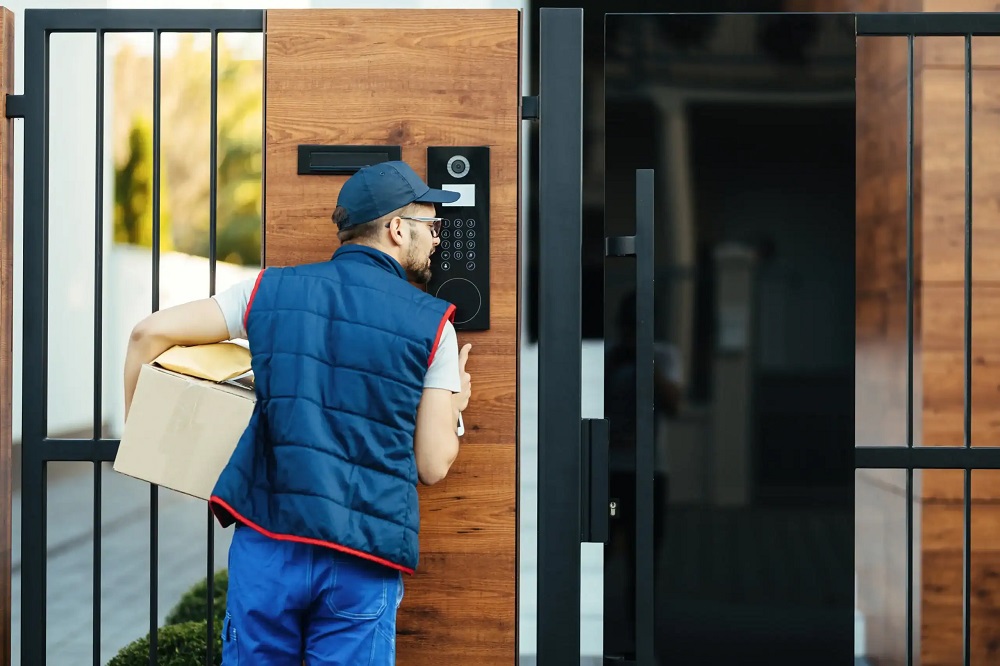
A virtual doorman system typically consists of a kiosk at the building entrance equipped with cameras and intercoms. When a visitor or delivery person arrives, they interact with a remote operator located in a central monitoring station. This operator can verify the visitor’s identity, communicate with the resident, and remotely unlock the door. This ensures that the building is never left unattended, providing 24/7 coverage that would be prohibitively expensive with on-site staff.
Package Management and Delivery Integration
In the era of e-commerce, package theft is a primary concern for apartment dwellers. Virtual doormen solve this by managing access for delivery couriers. Operators can grant temporary access to a secure package room or a set of smart lockers, ensuring that deliveries are stored safely inside the building rather than being left on a public sidewalk. Some systems even integrate with delivery apps to provide one-time access codes to verified drivers.
AI-Powered Surveillance
Beyond human-operated virtual doormen, buildings are increasingly relying on AI-driven monitoring. These systems use computer vision to distinguish between routine activities and potential threats. For example, an AI system can detect if a door has been “propped open” for too long or if an unrecognized individual is “tailgating” a resident into the building. These alerts are sent instantly to property managers, allowing for proactive intervention before a security breach occurs.
The Role of IoT and Edge Computing in Residential Safety
The “brains” behind these security trends lie in the integration of IoT devices and edge computing. In a smart building, devices such as cameras, locks, and sensors are no longer isolated; they are part of a unified network.
-
Real-Time Responsiveness: By using edge computing—where data is processed locally on the device or a nearby server rather than in a distant cloud—security systems can respond with almost zero latency. This is crucial for facial recognition and instant alerts.
-
Intelligent Automation: IoT allows for complex security “scenes.” For instance, when a resident unlocks their door after sunset, the system can automatically turn on hallway lights and adjust the thermostat, ensuring the resident never enters a dark or uncomfortable apartment.
-
Centralized Management: Property managers can now oversee multiple buildings from a single dashboard. They can grant or revoke access permissions instantly, monitor maintenance needs, and review security footage without being physically present on the property.
Challenges and Cybersecurity Considerations
While these advancements offer significant benefits, they also introduce new risks. As apartment security becomes increasingly digital, it becomes a target for cyberattacks. Protecting the privacy of residents and the integrity of the building’s network is paramount.
Data Privacy and Surveillance Concerns
The collection of biometric data and constant video monitoring raises valid privacy questions. Residents may feel uneasy knowing their movements are being tracked and analyzed by AI. To combat this, reputable security providers are implementing strict data anonymization and encryption protocols. In many jurisdictions, legislation is evolving to ensure that biometric data is stored securely and is never shared with third parties without explicit consent.
System Vulnerabilities and Hacking
Any device connected to the internet is potentially vulnerable. If a building’s central network is compromised, an attacker could theoretically gain access to every unit. To mitigate this, modern systems utilize end-to-end encryption and regular software updates. Property managers are also being encouraged to implement “network segmentation,” where the security system runs on a completely different network than the resident Wi-Fi, preventing a breach in one from affecting the other.
The Future of Apartment Security
Looking ahead, we can expect security systems to become even more predictive and “empathetic.” Future buildings may use environmental sensors to detect not just intruders, but also emergencies like leaks, fires, or even medical distress among elderly residents. The integration of Large Language Models (LLMs) into virtual concierge systems will allow for more natural interactions, where residents can simply speak to the building to report a maintenance issue or request a guest pass.
Ultimately, the goal of these trends is to create a living environment that is both invisible and omnipresent. The most effective security system is one that a resident never has to think about, yet provides a constant, vigilant shield against the complexities of the modern world.
Frequently Asked Questions
What happens to biometric locks if there is a power outage?
Most professional-grade biometric locks are equipped with battery backups or mechanical overrides. In the event of a total power failure, the locks typically remain in their last state (usually locked for security) but can be opened using a physical key or a specialized backup power port located on the exterior of the lock.
Can biometric data be stolen or “hacked” to create a fake key?
Unlike a password or a physical key, biometric data is usually stored as a mathematical representation (a “template”) rather than an actual image of a fingerprint or face. This means that even if the database is accessed, the hacker cannot recreate your actual biometric features from the stored data.
Is a virtual doorman as effective at stopping intruders as a physical guard?
In many ways, a virtual doorman can be more effective because it never gets distracted or tired. With high-definition cameras covering every angle, a virtual system can monitor multiple entry points simultaneously, whereas a physical guard is limited to their immediate line of sight.
How does a virtual doorman handle emergency situations like a fire?
Virtual doorman systems are integrated with the building’s fire and life safety systems. If an alarm is triggered, the remote operator is immediately notified. They can use the building’s intercom to give instructions to residents, remotely unlock all exit doors for first responders, and coordinate directly with local emergency services.
Are these smart security systems compliant with the Americans with Disabilities Act (ADA)?
Yes, modern security trends actually improve accessibility. Touchless entry via facial recognition or smartphone-based auto-unlocking is significantly easier for individuals with mobility or dexterity challenges compared to using traditional keys.
Can I still have guests or food delivery if my building uses biometric access?
Absolutely. Most systems allow residents to issue “digital keys” or temporary QR codes to guests and delivery drivers. These codes can be programmed to work only during specific time windows and expire automatically after use, providing a high level of control over who enters the building.
Do these smart systems increase the monthly rent or HOA fees?
While the initial installation cost for smart security is higher than traditional systems, they often lead to long-term savings by reducing the need for 24/7 on-site staffing and lowering insurance premiums. Many property managers find that these features allow them to market the building as a “premium” property, which can influence rental rates.